Data Governance · 4 min read
VertiGIS bets 50 million records a week on rules before AI
VertiGIS Data Gateway processes ~50 million records weekly for the UK's underground asset register, tying data-quality rules to field workflows before anyone trusts AI with infrastructure decisions.
Key takeaways
- VertiGIS Data Gateway processes around 50 million records a week for the UK's National Underground Asset Register.
- The platform combines OneSpatial technology, acquired by VertiGIS, with its application platform and industry software.
- CTO Drew Millen: AI output "is only going to be as good as the quality of their data."
- Data Gateway applies quality rules to ERP, CRM, asset-management and spatial-database sources without moving stored data.
- The UK asset register aggregates submissions from hundreds of organisations, with data ownership retained by submitters.
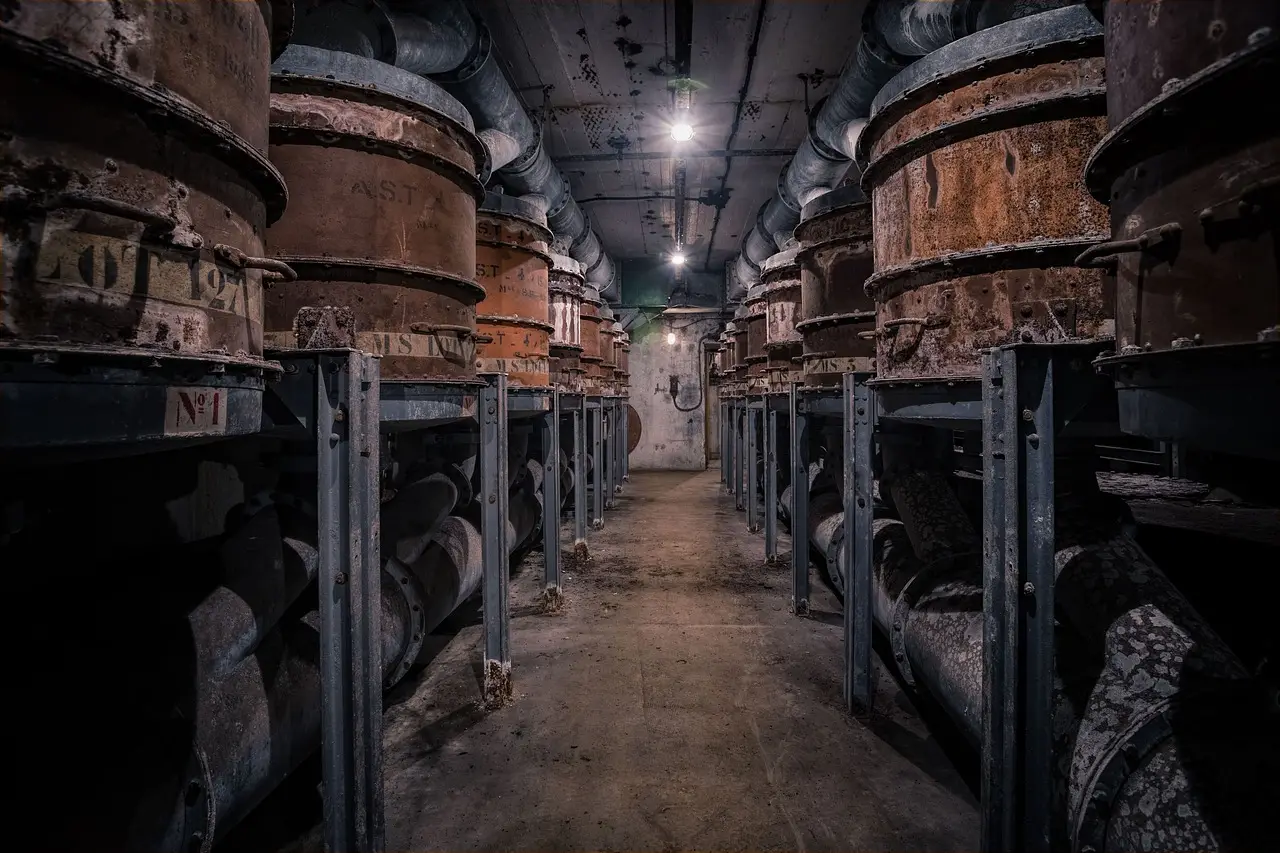
VertiGIS's Data Gateway platform processes roughly 50 million records a week for the UK's National Underground Asset Register, and that number is the whole pitch: rules-governed geospatial data as the precondition for any serious AI in infrastructure operations.
The figure came out of a roundtable led by CTO Drew Millen, Product Director Seb Lessware, and UK & Ireland Managing Director Jonathan Daniel. The product, newly branded, fuses technology from OneSpatial — which VertiGIS acquired — with its application platform and industry-specific software. The stated ambition is connecting data governance directly to the workflows that consume the data, rather than treating quality as a separate technical exercise. Translation: governance as plumbing, not paperwork.
Who needs this, and why now?
VertiGIS serves public-sector bodies, utilities and commercial firms managing water, power, road and fibre networks. Those assets are ageing while renewable energy, EV charging and data centres add complexity. Regulatory obligations pile on. In that setting, a map isn't decoration; it drives maintenance, inspections, network planning and construction coordination. Bad records mean inefficient work at best, and service disruption, financial penalties or safety risk at worst.
What does AI change?
Everything and nothing. Organisations want machine learning and agentic systems to analyse infrastructure and make predictions, but the output ceiling is set by input quality. "The output of that agentic AI workflow or that AI analysis is only going to be as good as the quality of their data," Millen said.
His approach: govern data through rules so information gets checked before it feeds downstream applications or AI workflows. He's not claiming rules make AI infallible — a prescribed, reviewable process just adds controls around data and outputs. Lessware offered the software-development comparison: AI-generated work still needs testing and review, exactly like a junior developer's code. The safeguards stay regardless of who, or what, produced the work.
Adoption is uneven, though. Millen noted some customers get executive pressure to use AI, while regulated organisations stay wary of trusting it for critical decisions. Where wrong infrastructure data can endanger the public, experimenting with AI doesn't grant permission to update production records automatically. Sensible, if inconvenient.
Where do the rules come from?
Here's the candid part. Most organisations have years of data and processes without any documented account of what "correct" means. Business rules live in scripts, software and people's memories.
"Most rules are cultural. They're in people's heads," Lessware said. His process brings teams together to identify and debate rules, document them, then test whether they match the data in practice. The resulting catalogue shows what each rule checks, who created it, and how it changes. Some rules flag problems; others transform or correct data within agreed tolerances. Rules can apply at intake, during editing in an application, or when an external organisation submits data.
The platform applies these rules to data from ERP, CRM and asset-management systems, plus spatial databases and documents. Millen stressed the goal isn't forcing customers to move their data, only to govern its quality coherently. "Our Data Gateway helps customers bring data quality and their operational applications together," he said. Teams rely on trusted information "without having to move where their data is stored."
Does governance actually deliver anything?
Lessware framed it with dry precision: "Data quality doesn't give you clean water. However, it helps you run the business, which helps clean water." Consider a leak response where a crew must trace connections and find the valves that isolate the affected area. Incomplete records mean hunting for equipment or guessing which customers lose service. Before anyone digs, workers also need to know what's underground — hence the National Underground Asset Register, aggregating submissions from hundreds of organisations. VertiGIS converts varied formats into a consistent structure and applies quality rules; data ownership stays with the submitters.
What should data teams take from this?
The broader trend Millen and Lessware described is GIS shifting from specialist mapping tool to everyday operational tissue — browsers, mobile apps, field-to-office connections. More users and more automation multiply the blast radius of a single data error.
The catch is honest: the model only delivers if organisations can translate actual practices, not just documented procedures, into rules and workflows. AI can analyse, infer and transform. Whether you can trust it still depends on what's underneath.
Google News: Data Governance (Source)
More from Grace Kim
Show full bio
Market editor covering companies, deals and strategy in Analytics Digest is a professional daily at Analytics Digest.
44 articles