Data Governance · 3 min read
Waikato University wants AI to clean up 740TB before Copilot does
Waikato University's RFP seeks an AI governance platform for 740TB across M365 and file shares, demanding 80% auto-classification and a Copilot-safe permissions cleanup.
Key takeaways
- University of Waikato is tendering for AI governance of ~740TB of unstructured data: 364TB in Microsoft 365, 375TB on network file shares.
- Vendors must auto-classify content so humans review only the ~20% AI cannot handle; shortlisted suppliers may face accuracy testing on university data.
- The RFP cites reducing risk of sensitive data being accessed by AI tools, plus DLP, sensitivity labels and permissions remediation.
- University data must not train AI models without consent.
- Proposals due 7 December 2026; multi-year contract expected to start February 2027.
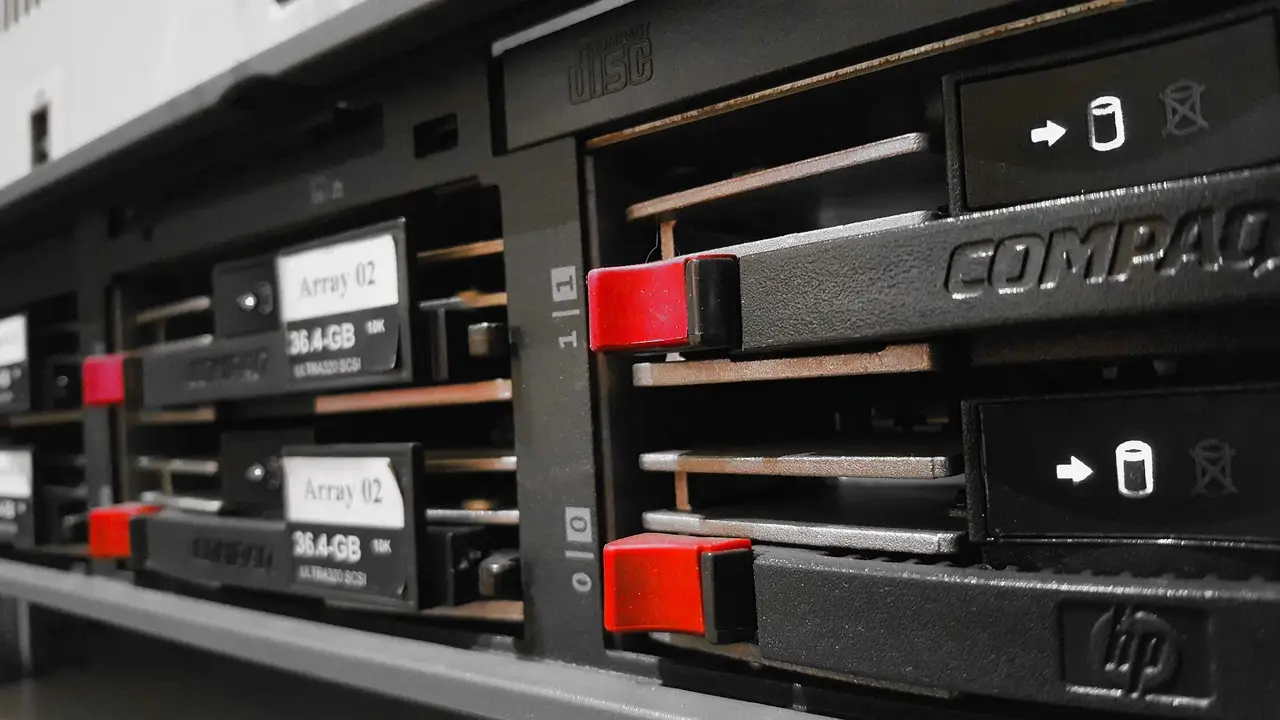
The University of Waikato has put 740TB of unstructured data on the table, asking vendors for an AI-powered governance platform to classify it before AI tools start rummaging through it themselves. The RFP, live on the Government Electronic Tenders Service (GETS), targets roughly 364TB sitting in Microsoft 365 and another 375TB on on-premises network file shares. That's nearly three-quarters of a petabyte of files nobody has fully catalogued.
The math is blunt. The university wants AI and machine learning to classify content automatically, with humans reviewing only the roughly 20 per cent of content that the tools can't handle. In other words, the successful bidder must be right, or at least confident, 80 per cent of the time. Shortlisted suppliers may have to prove classification accuracy against a sample of actual university data — a test many a marketing slide would rather not sit.
What does the university actually want?
The RFP, which supports the institution's M365 Information Management project, spells out a familiar wish list for anyone who has watched data governance tenders lately:
- Discover, analyse, classify and assess risk exposure across all 740TB.
- Build a clear catalogue of file holdings: what exists, who owns it, where it's stored.
- Apply metadata and sensitivity labels consistent with the Disposal Authority for New Zealand Universities.
- Identify content to retain, migrate, exclude or dispose of.
- Apply sensitivity labels, data loss prevention (DLP) controls and retention policies.
- Identify and remediate excessive permissions and over-exposed content.
The stated motives are threefold: governance, storage cost reduction, and one worry that's newly fashionable. The university explicitly wants to reduce "the risk that sensitive data is accessed by AI tools" — Copilot readiness, by another name. Microsoft 365 Copilot is only as careful as your permissions are tight, and Waikato clearly suspects its file shares are not tight at all.
The RFP put it plainly: the university seeks "an enhanced structure around its file storage to limit storage cost and to ensure there is appropriate risk management of these documents in terms of governance, security and compliance risk". It also wants "a toolset that will help it clean up what it holds and then sustain a consistent way of working". Cleanup, then hygiene. The second half is the harder contract to honour.
What are the commercial terms?
The engagement is a multi-year one. "We are seeking a capable partner for a multi-year contract supporting our M365 Information Management project and the ongoing hygiene of our unstructured data," the university said. Respondents are encouraged to show value beyond core requirements — the tender version of a bonus round.
One hard boundary: Waikato's data must not be used to train AI models without consent. Vendors whose terms of service treat customer content as training fodder need not apply, or at least need to renegotiate first.
The timeline is brisk. Proposals are due by 7 December 2026, with the contract expected to start in February 2027. The university acknowledged the squeeze and asked for short, concise responses with best pricing upfront. "We will not have time to negotiate, so please do not hold back pricing for a later stage," the RFP reads. Refreshing candour. Also a warning.
For data teams watching from other institutions: this tender is a preview of the pre-Copilot remediation market. Most organisations holding a decade of unmanaged file shares face the same 740TB-scale problem without a GETS listing to solve it. Start the catalogue before the AI does it for you.
Google News: Data Governance (Source)
More from Grace Kim
Show full bio
Market editor covering companies, deals and strategy in Analytics Digest is a professional daily at Analytics Digest.
20 articles