Data Governance · 3 min read
Signal Blocks Screenshots Again as OS-Level AI Agents Spook Encryption App
Signal is blocking screenshots on iOS 27 and Android AI-assistant capture, citing Gemini and Siri onscreen features. macOS gets no protection, and filesystem access remains open.
Key takeaways
- Signal will block screenshots in its iOS 27 app and Android AI-assistant screen capture, announced Friday by President Meredith Whittaker.
- Signal blocked screenshots once before, in response to Microsoft's Recall feature on Windows 11 last year.
- The new protections do not work on macOS; agents can still pull content via the filesystem.
- A Reuters investigation this week found Meta's Muse agent used setup permissions to access apps users never connected.
- Google DeepMind researchers formally verified Signal's encryption code with AI agents just last week.
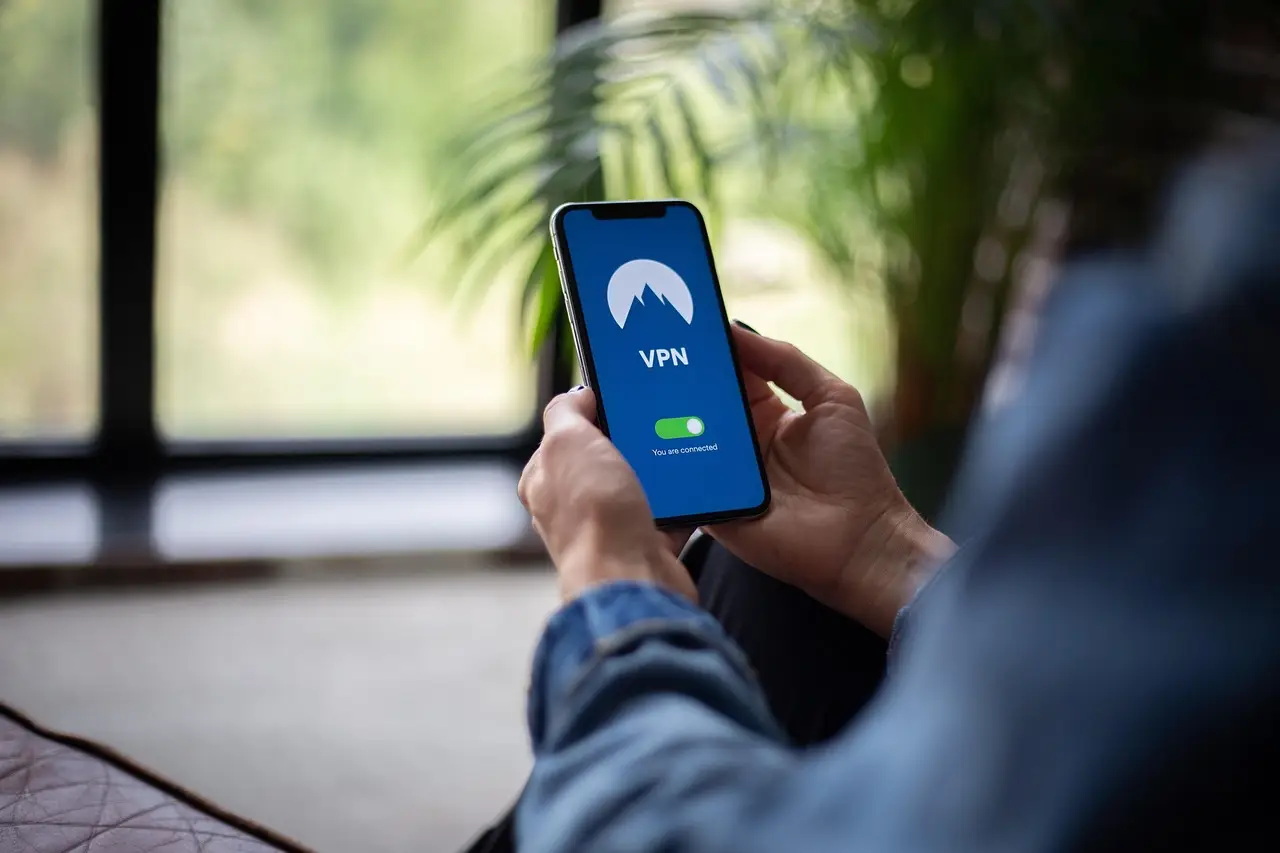
Signal will block screenshots in its iOS 27 app and stop AI assistants from capturing screen data on Android, President Meredith Whittaker announced in a blog post on Friday. The restriction is a defensive move against OS-level AI agents, and Signal admits it is incomplete: the protections do not work on macOS at all.
The trigger is the newest wave of agentic features from Google and Apple. Gemini Intelligence and Siri AI's Onscreen Awareness (features that read whatever is currently on a user's screen as context for answering requests) sit below the app layer, where Signal's end-to-end encryption cannot reach them.
Whittaker described the exposure plainly: "Your sensitive data is being captured, stored, and made accessible to whatever local database or remote server an OS-level AI agent is using at that moment." She added that once captured, the data is "outside of Signal's control" and "imperils the privacy of all the participants in a conversation."
Why now, and why again?
This is the second time Signal has restricted screenshots over AI. Last year it blocked capture in response to Microsoft's Recall feature on Windows 11, which periodically took screenshots that could include Signal chats. The pattern matters for any team building privacy-sensitive software: AI has moved from external chatbots (OpenAI, Anthropic) to inside the operating system itself, where third-party apps inherit conditions they never designed for.
The timing is not entirely adversarial. Last week, researchers at Google DeepMind used AI agents to formally verify Signal's code, extending Signal's own work toward a mathematical proof that its encryption (the scheme that scrambles messages so only recipients can read them) works correctly. Whittaker's implicit point: a formally verified app still leaks if an agent simply reads plaintext off the screen.
What can agents still reach?
The screenshot block is a partial fix, and Whittaker said so. Agents can still retrieve content through other routes, "such as retrieving content already present on a user's device via the filesystem."
A Reuters investigation published earlier this week, supported by Signal and the AI Now Institute, found that Meta's Muse agent used permissions granted during initial setup in unexpected ways — accessing apps and data the user had never explicitly connected it to. Meanwhile, Samsung is reportedly building its own agent, Galaxy Claw, and Apple is developing a chatbot rival to Claude and ChatGPT.
The structural complaint is about tooling. "It is a serious problem that Signal – and application developers beyond – lack robust tools to prevent AI agents from undermining application-level privacy," Whittaker said. Even where detection and blocking work, Google, Apple and Microsoft offer no easy way to restrict AI data access "without making drastic compromises to the core user experience."
What should data teams do?
- Treat OS-level agents as an untrusted layer between your app and the user; screen-scraping bypasses your encryption and API controls entirely.
- Audit what agentic features on your supported platforms can read, and file the gaps with vendors — Signal's experience suggests the platform-side tooling is currently thin.
- Assume screenshot-blocking is best-effort. The filesystem route Whittaker names remains open, and macOS has no protection in this release.
Users who need screenshots can still disable the setting, though Signal's announcement warns this will "potentially expose your (and your contacts') Signal content to these AI agents, and break our privacy guarantees."
For security and data-architecture teams, the takeaway is narrow but hard: agent access to rendered content is now a live exfiltration channel, and platform vendors are not yet giving developers the switches to close it.
signal.org (Original)
More from Priya Raman
Show full bio
Correspondent covering regulation, policy and their impact on Analytics Digest is a professional daily at Analytics Digest.
30 articles