Data Governance · 3 min read
Germany and Austria Demand European Control of TikTok
Germany and Austria called on Nov. 19, 2026 for European control of TikTok, reframing the ByteDance-owned platform's EU dispute from GDPR compliance to data governance.
Key takeaways
- Germany and Austria published a call for European control of TikTok on Nov. 19, 2026.
- TikTok is owned by ByteDance, a Chinese company; regulators question cross-border data flows and access.
- Several European governments have already restricted TikTok on official devices.
- GDPR and the Digital Services Act already impose obligations on large platforms operating in the EU.
- TikTok says it stores European user data in the region; critics say control remains with the company and its parent.
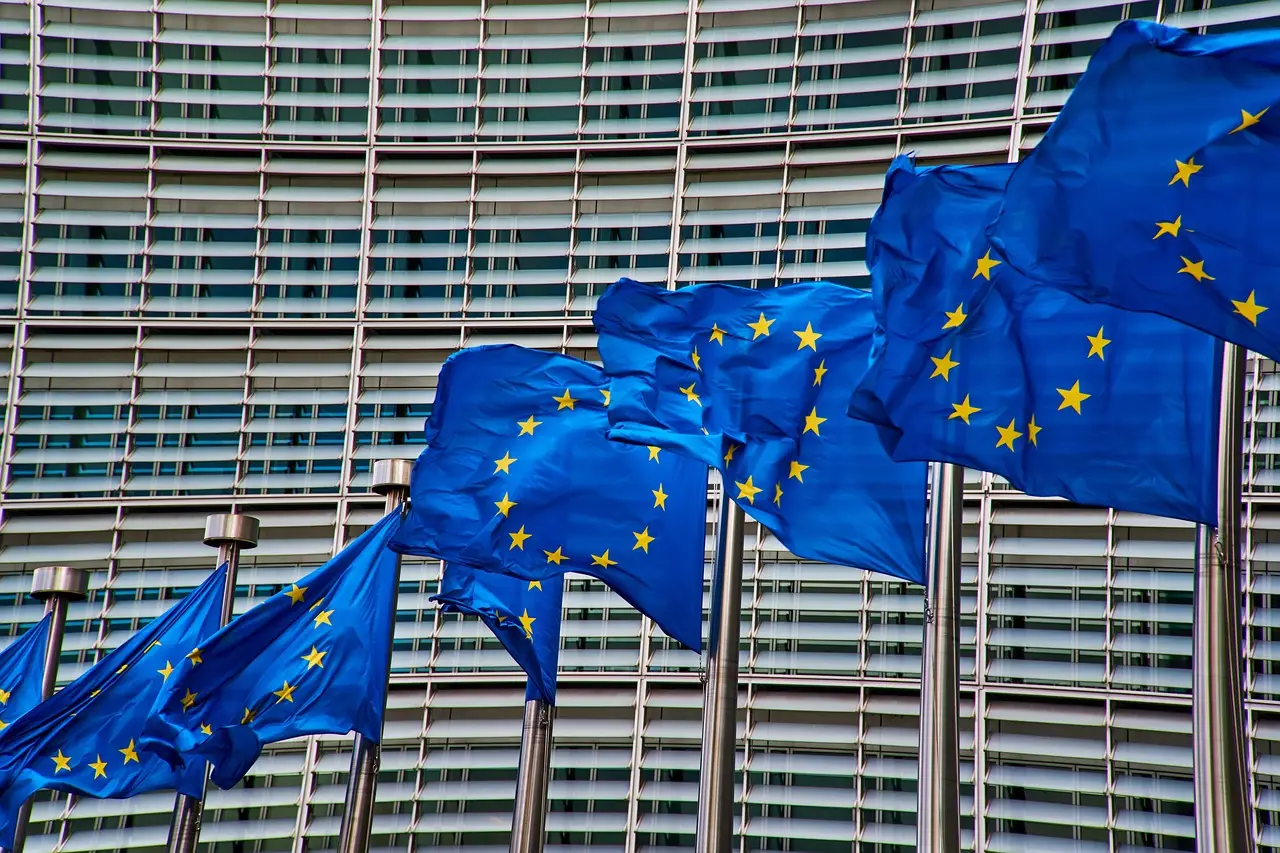
Germany and Austria published a joint call on Nov. 19, 2026 demanding European control of TikTok, escalating the continent's dispute with the platform from regulatory compliance to a question of governance: who actually directs the handling of European user data.
The demand targets TikTok's ownership structure directly. ByteDance, the platform's Chinese parent company, sits at the center of European regulators' concerns about how user data moves across borders and, more pointedly, who can access it once it moves.
What changes with this call?
The significance lies in the reframing. Until now, European pressure on TikTok has centered on compliance: whether the platform meets its obligations under the General Data Protection Regulation (GDPR, the EU's data privacy law) and the Digital Services Act (DSA, the EU rulebook for large online platforms).
The German-Austrian position shifts the focus to control. The question is no longer only whether TikTok follows EU rules, but whether Europeans can direct how the platform handles their data in the first place. That is a materially harder ask. Compliance can be audited; control implies a say in ownership, oversight or operational authority.
Several European governments have already restricted TikTok on official devices, a precautionary move that signaled distrust at the state level. The Nov. 19 call goes further than device bans. It asks who governs.
What has TikTok actually done?
TikTok has stated publicly that it stores European user data in the region and limits access to it. Critics dismiss those measures as insufficient, arguing that the steps leave effective control with the company and, by extension, with its parent.
The gap is the crux. Regional storage answers where data sits. It does not answer who commands the systems that sit on top of the data — moderation pipelines, advertising targeting, recommendation infrastructure. Critics want that authority Europeanized.
What could European control mean in practice?
Any move toward European control could reshape three operational layers of the platform across the region:
- Data storage architecture, where the current regional-storage commitments would need to harden into structures Europeans direct, not merely host.
- Content moderation, the systems that decide what European users see and what gets removed.
- Advertising operations, the targeting and measurement machinery that processes behavioral data at scale.
Each layer currently sits under TikTok's own governance, whatever the storage location. That is precisely the arrangement Germany and Austria now contest.
The call also adds pressure on TikTok to demonstrate, not merely assert, that European data stays under European authority. Demonstration requires verifiable structures — audits, independent oversight, enforceable boundaries — rather than company statements.
What should data teams take from this?
For analytics and data teams operating in the EU, the Nov. 19 call is an early signal, not a final rule. Treat it as a marker of direction. If European control of TikTok data materializes in any form — forced divestiture, joint-oversight structures, or statutory data-localization regimes — the compliance perimeter for any platform processing European behavioral data will tighten accordingly.
Teams with advertising or measurement dependencies on TikTok should map their exposure now: which data flows originate on the platform, which contracts assume current governance arrangements, and which pipelines would need renegotiation if authority over that data changes hands. The GDPR and DSA already bind large platforms. A governance shift would bind them differently.
No mechanism, timeline or enforcement instrument accompanied the Nov. 19 publication. That absence leaves the demand's legal weight unresolved — but its political direction is unambiguous.
Google News: Data Governance (Source)
More from Marcus Bennett
Show full bio
News editor covering people, launches and day-to-day practice in Analytics Digest is a professional daily at Analytics Digest.
23 articles