Data Governance · 3 min read
APEC Leaves Shenzhen With 50 Outcomes and No AI Governance Deal
APEC's 21 economies adopted the Shenzhen Declaration on November 19 with nearly 50 trade outcomes, but Trump rejected global AI regulation and the first Trump-Xi-Putin meeting yielded no concrete steps.
Key takeaways
- 21 APEC economies adopted the 2026 Leaders' Declaration by consensus on November 19 in Shenzhen.
- China's host year produced nearly 50 economic and trade outcomes; 25 involved AI, trade digitalization and cross-border e-commerce.
- Trump said the U.S. opposes "any form of globalist regulation" of superintelligence; Xi pushed AI safety coordination.
- First modern trilateral Trump-Xi-Putin meeting produced a peace declaration with no concrete steps on Ukraine or Iran.
- Viet Nam hosts APEC in 2027; Mexico follows in 2028 amid USMCA talks.
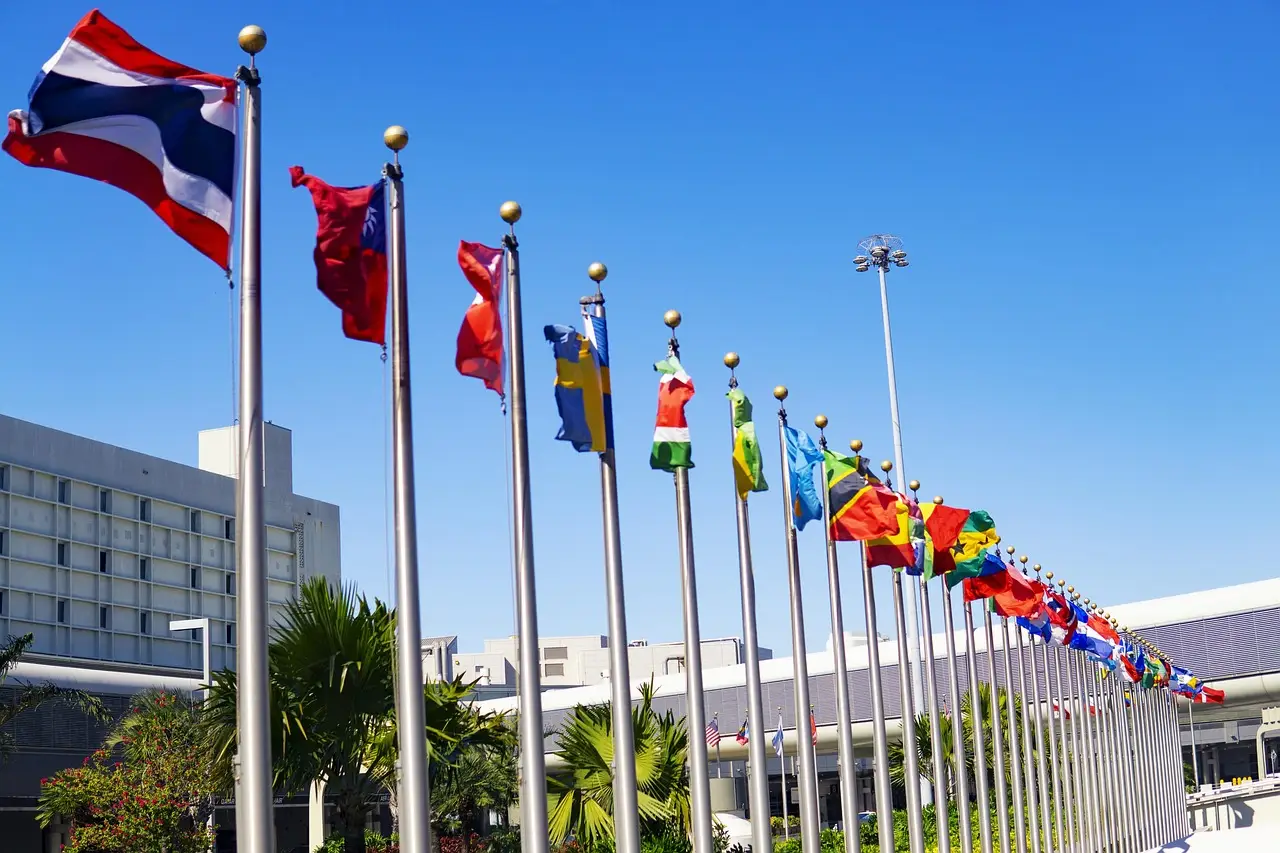
The 33rd APEC Economic Leaders' Meeting closed in Shenzhen on Thursday, November 19, with a unanimous declaration, nearly 50 economic and trade deliverables, and a stark refusal by Washington to accept any international AI governance. The 21 member economies, representing more than 60 percent of global GDP, adopted the 2026 APEC Leaders' Declaration by consensus — a document that sets out the Shenzhen Outlook on building an Asia-Pacific community but commits nobody to anything binding, because APEC operates through voluntary commitments rather than treaty obligations.
What did the summit actually produce?
Three numbers frame the outcome. First, all 21 member economies adopted the declaration plus three outcome documents covering trade, connectivity and innovation. Second, Chinese commerce officials counted nearly 50 practical economic and trade outcomes reached during China's year as host. Third, 25 of those outcomes touched trade digitalization, artificial intelligence and cross-border e-commerce.
President Xi Jinping described the Free Trade Area of the Asia-Pacific (FTAAP, a long-proposed regional trade zone) as a shared vision, urging alignment of regional trade agreements, trade digitalization, fewer investment barriers and stronger capacity-building. The declaration set no formal timetable for launching the FTAAP. That omission matters: without a date, the vision remains aspirational rather than operational.
Where did the AI fight land?
Artificial intelligence produced the sharpest divide of the summit. China arrived with a proposed APEC statement on the digital economy and AI for people's well-being, calling for wider AI use in healthcare, education and energy, safe and trusted development, and prevention of digital divides. Xi called AI an engine of innovation-driven growth and pushed for regional cooperation on data governance and secure cross-border data flows.
Trump drew the opposite line. At the leaders' meeting, he said the United States opposed "any form of globalist regulation or anything to control or stifle SI" — using "SI" as shorthand for superintelligence — and added that his administration would not allow it.
Xi, according to Chinese state media, called for China and the United States to strengthen communication and coordination on AI safety and to keep the technology under human control. For data teams, the practical readout is straightforward: no shared AI rulebook for the Asia-Pacific region, and divergent U.S. and Chinese regulatory trajectories that will complicate cross-border model deployment and data flows for years.
What happened at the Trump-Xi-Putin table?
For the first time in modern diplomatic history, the leaders of the United States, China and Russia sat at the same table. Trump held separate one-on-one sessions with Xi and Putin before all three met at Kylin Villa, producing what Chinese state media described as a "peace declaration" committing to stable energy flows among the three countries.
The China-Russia-U.S. Heads of State Declaration toward Peace committed the signatories to pursue United Nations reform, increase production and supply of refined petroleum products, reaffirm stable energy flows, recognize state officials' immunities, and hold dialogue on reducing nuclear risks. Trump said he raised Ukraine and Iran. The declaration spelled out no concrete steps on either conflict and no disarmament breakthroughs.
What does it mean for Latin American members?
Mexico, Peru and Chile — the only Latin American economies in APEC — used Shenzhen as a strategic repositioning exercise, deepening commercial ties with Beijing as a hedge against U.S. tariff pressure. Canada joined that posture. Xi met bilaterally on the sidelines with the leaders of all four, covering trade, technology, energy and agriculture.
Mexico and Chile signaled openness to foreign investment and plans to capture more value from global trade flows, without formally distancing from Washington. Mexico hosts APEC in 2028 while simultaneously managing USMCA trade talks — a two-track balancing act worth watching.
What comes next?
China delivered its year under the motto "Building an Asia-Pacific Community to Prosper Together." Viet Nam hosts in 2027, Mexico in 2028. The open question is whether 2026's roughly 50 deliverables translate into structural change, or whether the forum's voluntary architecture simply absorbs the U.S.-China tension without resolving it. On current evidence — no AI agreement, no FTAAP timetable, no peace-declaration specifics — the skeptical read prevails.
Google News: Data Governance (Source)
More from Marcus Bennett
Show full bio
News editor covering people, launches and day-to-day practice in Analytics Digest is a professional daily at Analytics Digest.
23 articles